Connected dash cams with instant remote access
Access footage from any vehicle without visiting it. Live streaming, automatic cloud upload and instant alerts mean you're always connected to what's happening on the road.
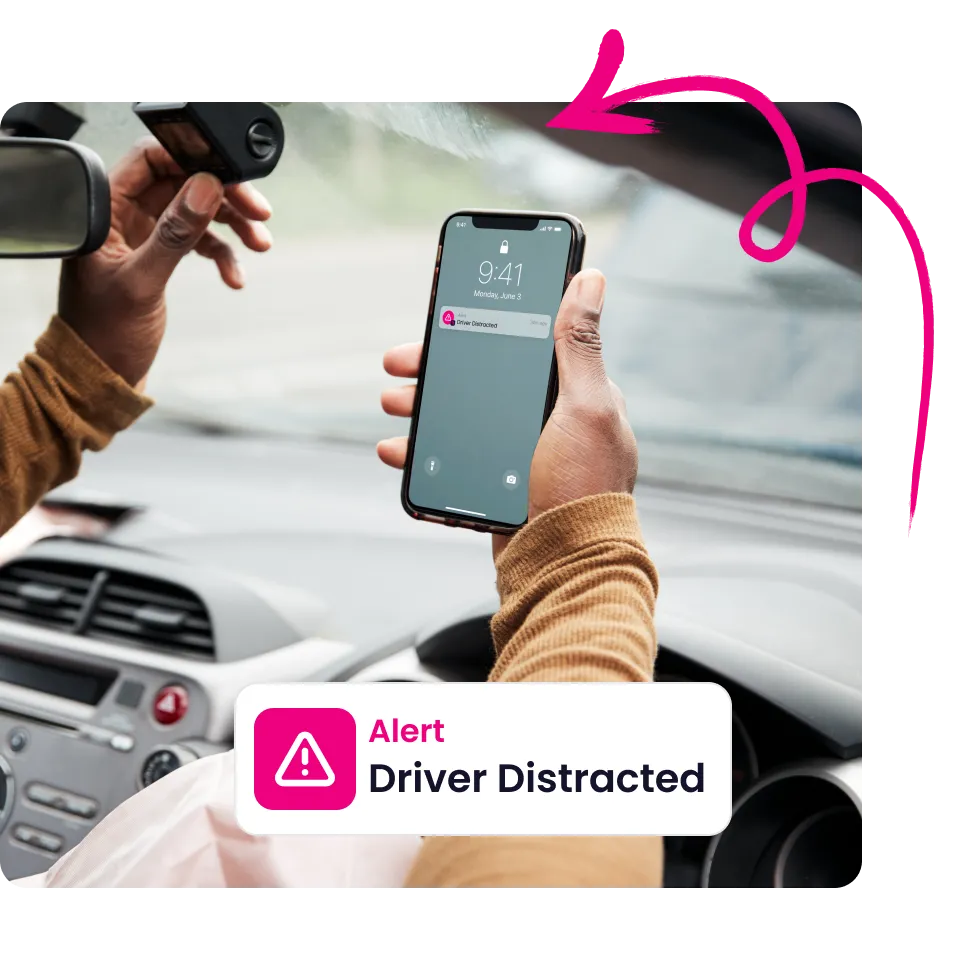

SD cards keep you waiting
Traditional fleet dash cams store footage on SD cards that must be physically retrieved. This creates delays when you need evidence quickly.

Days of waiting
Days of waiting for footage whilst SD cards sit in vehicles across different locations. You cannot access video remotely, so incidents discovered on Friday might not have footage retrieved until the following week.
Manual retrieval processes
Manual retrieval processes require someone to visit each vehicle, remove the SD card, transfer files to a computer, and review hours of footage to find relevant clips. This admin burden drains time that could be spent managing operations.
Missed golden hour deadlines
Missed golden hour deadlines for First Notification of Loss because footage isn't available quickly enough. Insurers need evidence within 24 hours but your video is trapped in vehicles you cannot reach.
No real time visibility
No real time visibility of what's happening right now. You discover incidents after the fact rather than being alerted immediately when they occur.
What makes a dash cam "connected"?
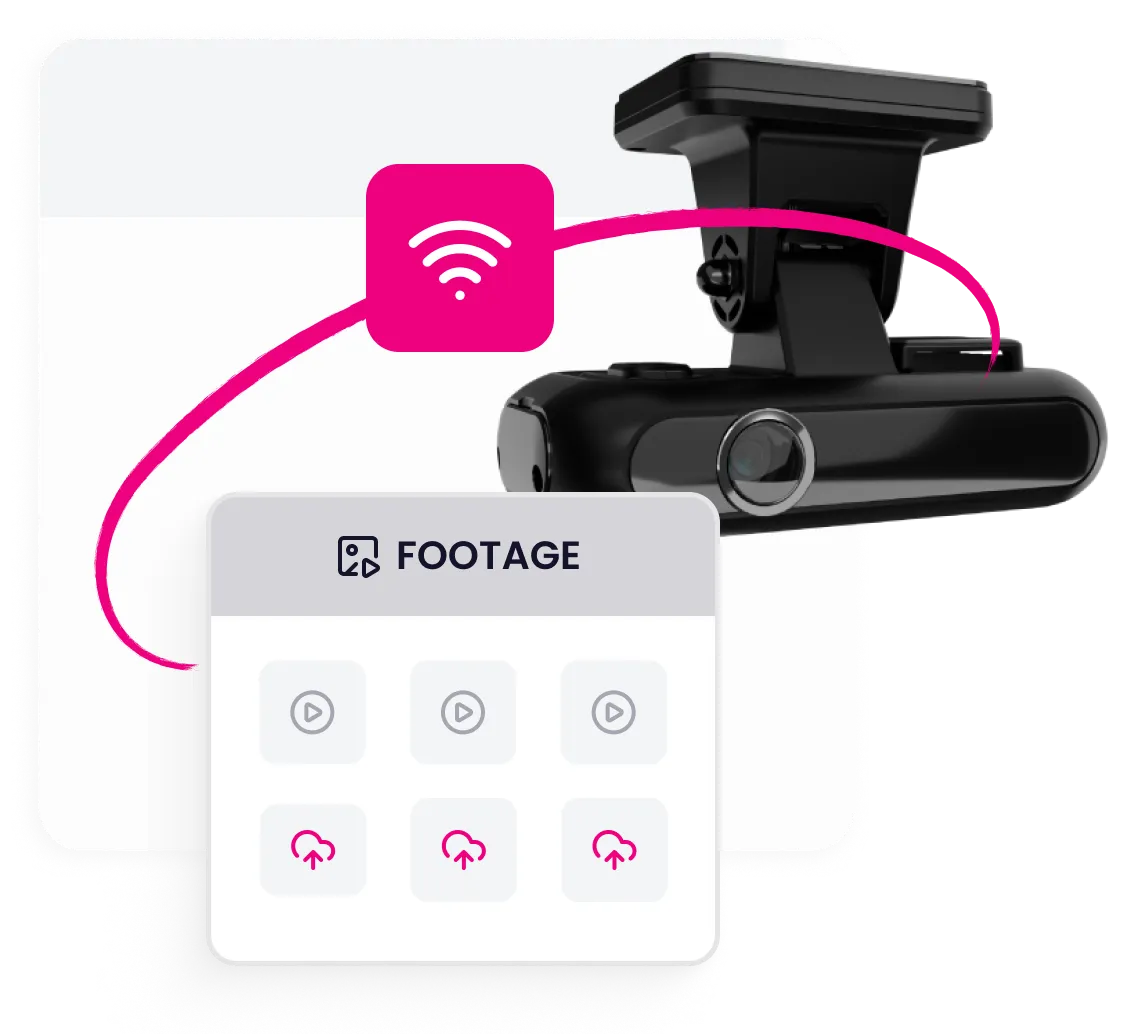
Upload footage automatically
Connected dash cams use 4G mobile networks to upload footage automatically to the cloud.
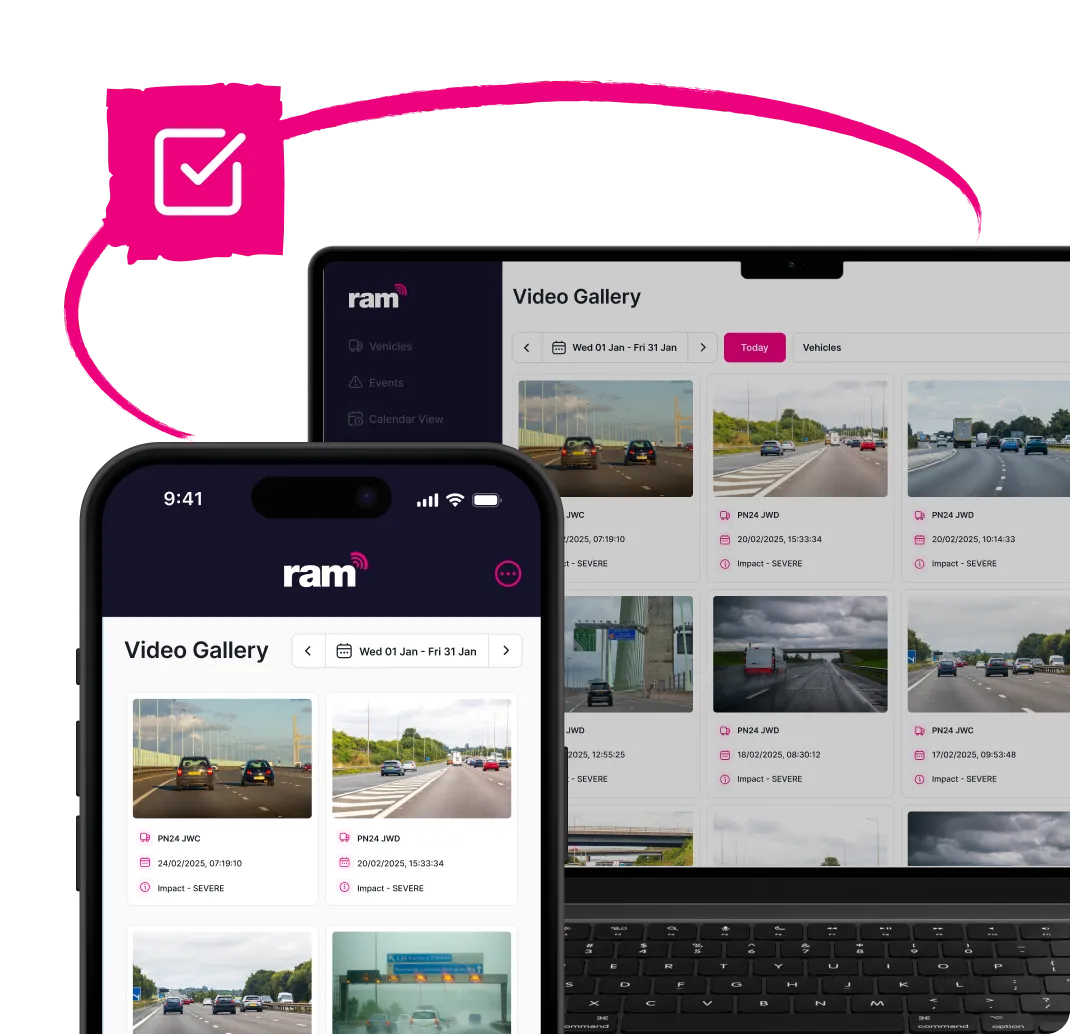
Remote video access via web or app
Unlike SD card cameras that store everything locally, connected systems give you remote access to video from anywhere through a web portal or mobile app.
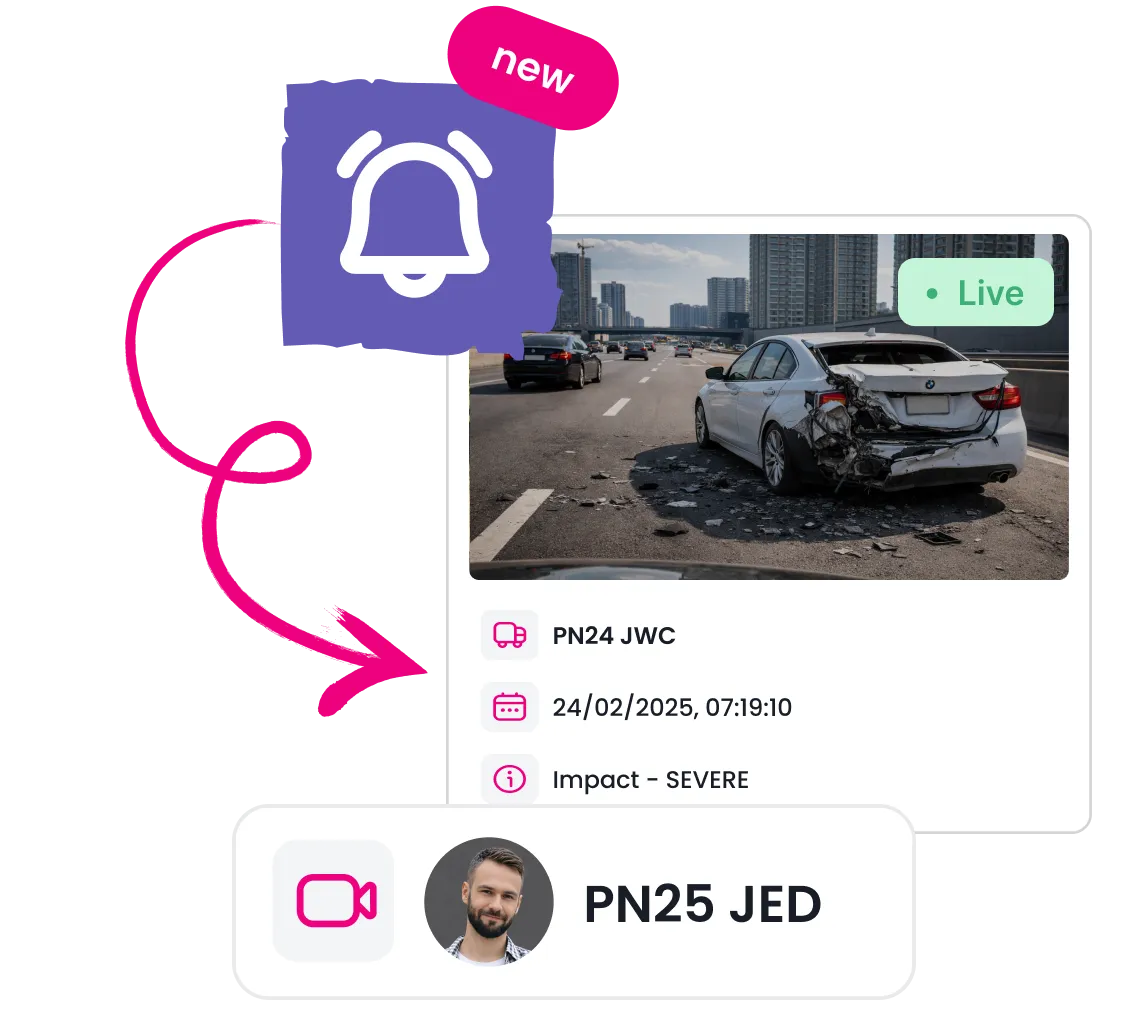
Instant alerts & live streaming
The connection means instant alerts when events occur and live streaming directly from vehicles.
Data retrieval
Everything happens remotely, including automatic evidence submission to insurers, without physically accessing vehicles or retrieving storage cards.
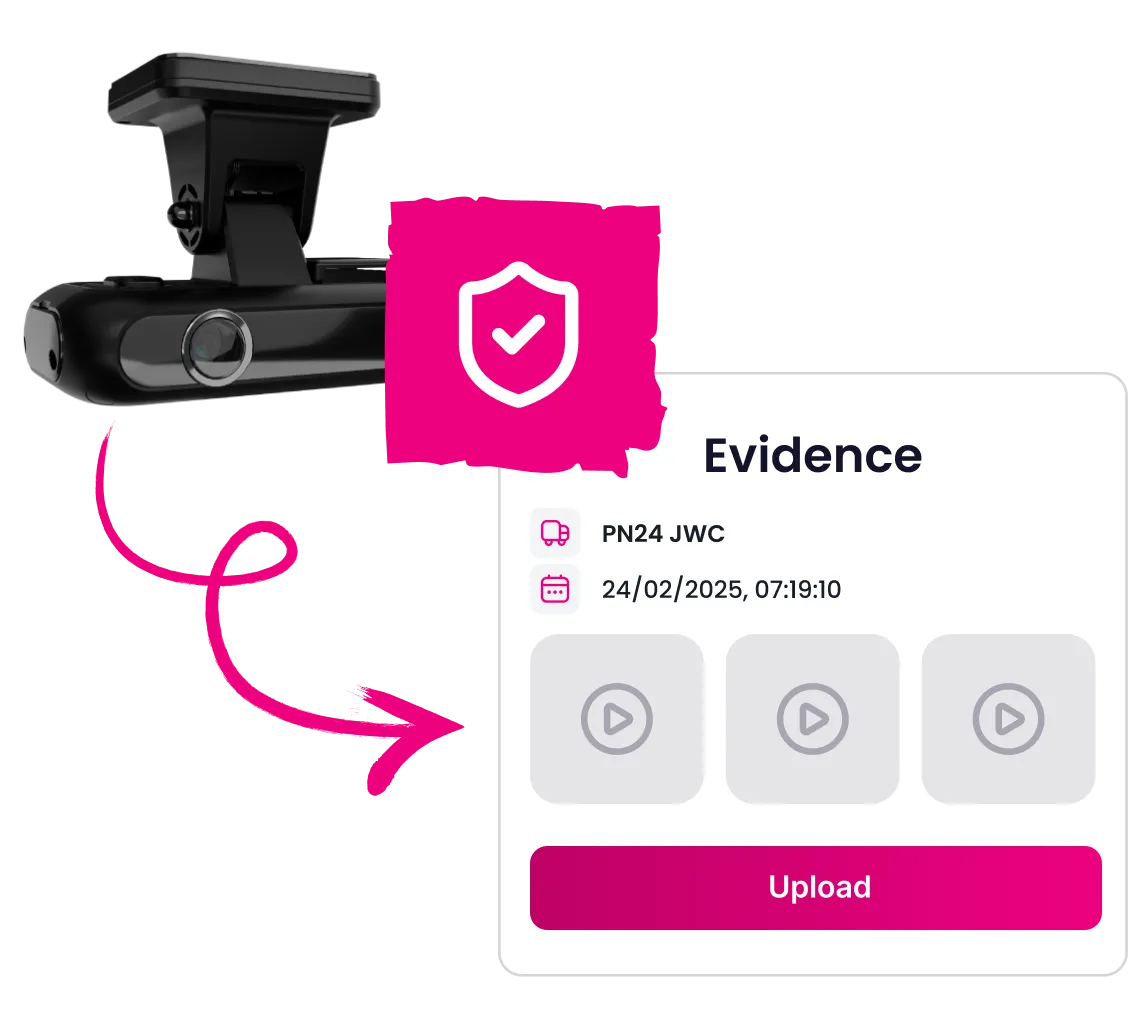
Key features of connected dash cams
Key benefits of connected dash cams
Zero admin burden
Automatic upload eliminates manual SD card retrieval. No chasing drivers for footage or transferring files between devices.
Manage from your phone
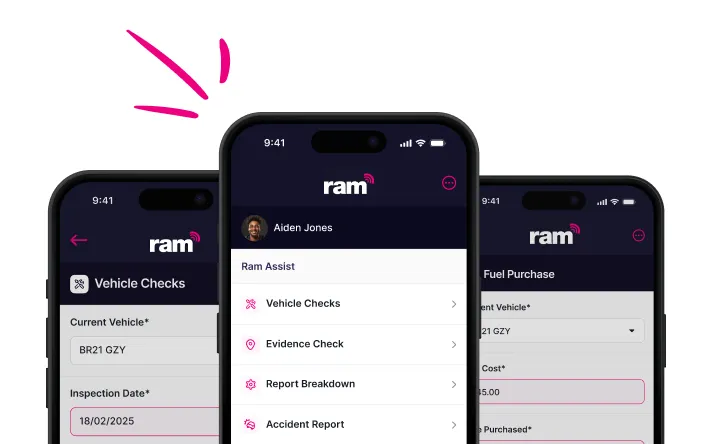
Stream live video, download clips and receive alerts wherever you are. The mobile app puts your entire operation in your pocket for on the go fleet management.
Real time incident awareness
Push notifications alert you immediately when events occur. Respond to situations as they develop rather than discovering problems hours later.
Instant evidence access
Download footage within minutes of incidents occurring. No waiting for drivers to return or travelling to retrieve SD cards. Video available remotely the moment you need it.
Faster claims resolution
Submit evidence to insurers within the golden hour. Quick access to footage speeds up liability decisions and gets vehicles back on the road faster.
Secure cloud storage
Protected evidence that cannot be lost, damaged or tampered with. Cloud backup ensures footage survives even if physical cameras are destroyed in serious incidents.
Unified platform
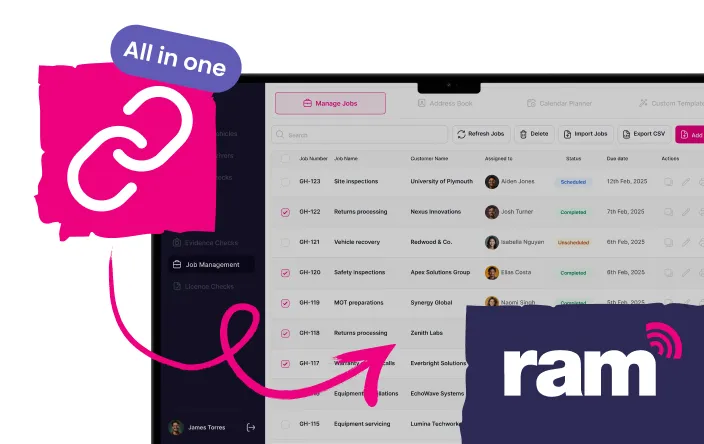
Video integrated with vehicle tracking and fleet data. Everything accessible through one login without switching between systems.
Lower insurance costs
Many insurers offer discounts for connected systems. Faster claims and reduced fraud lead to better renewal terms over time.
Smarter ways to manage
vehicles and operations
Cameras record continuously in your vehicles
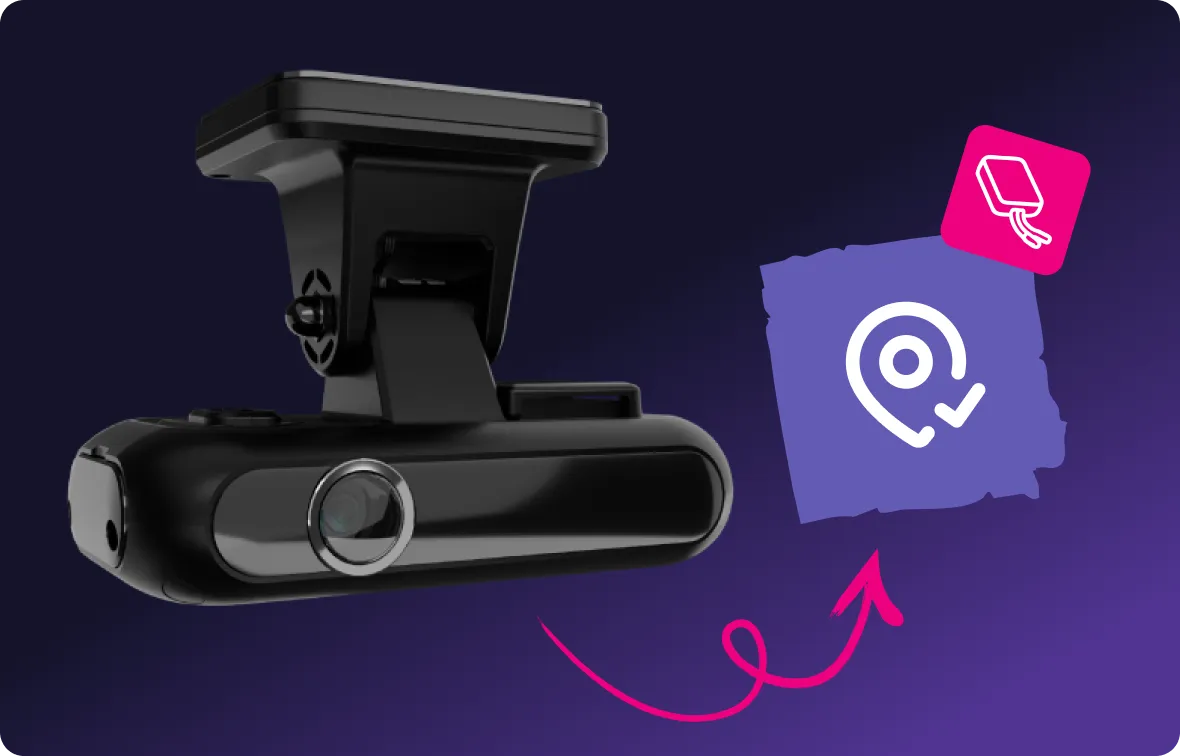
Events upload via mobile network
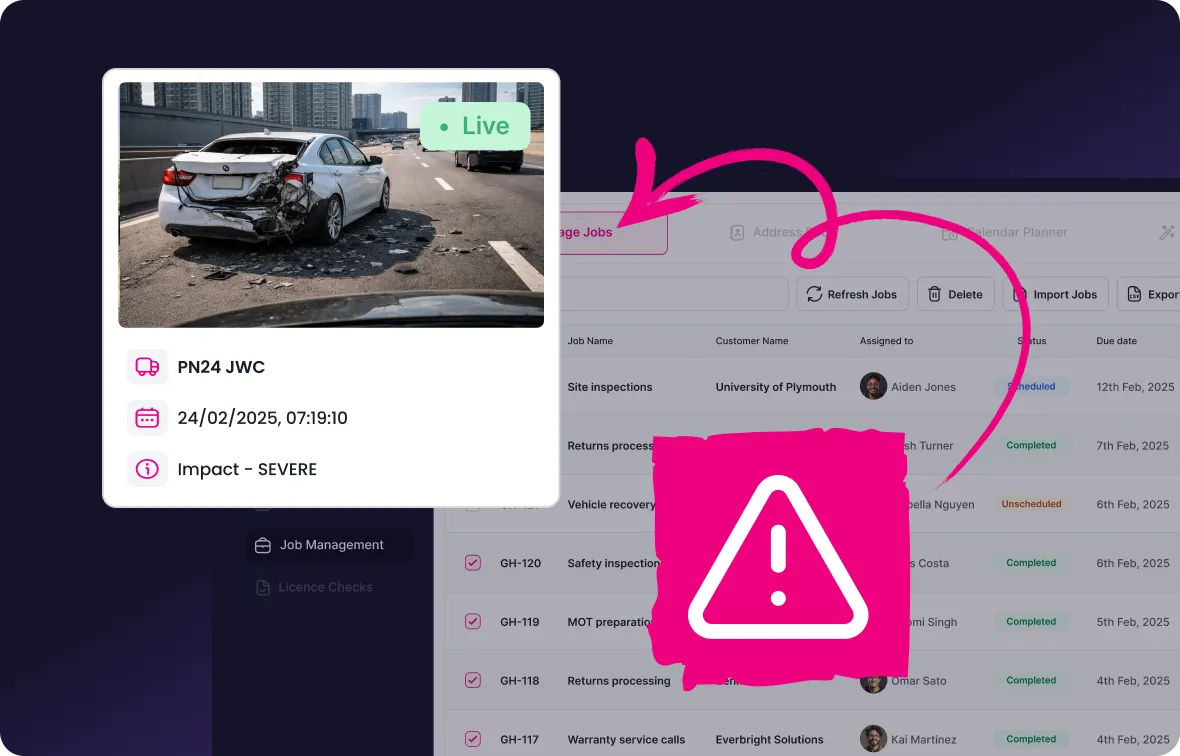
You receive instant alerts
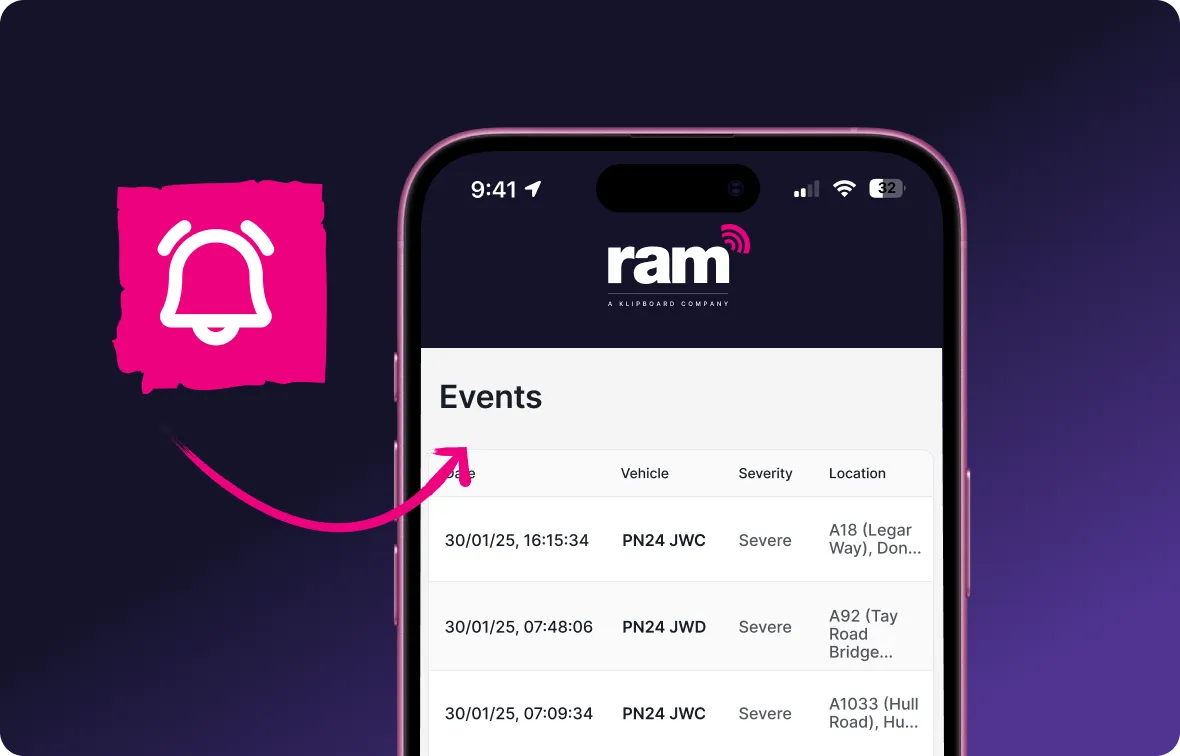
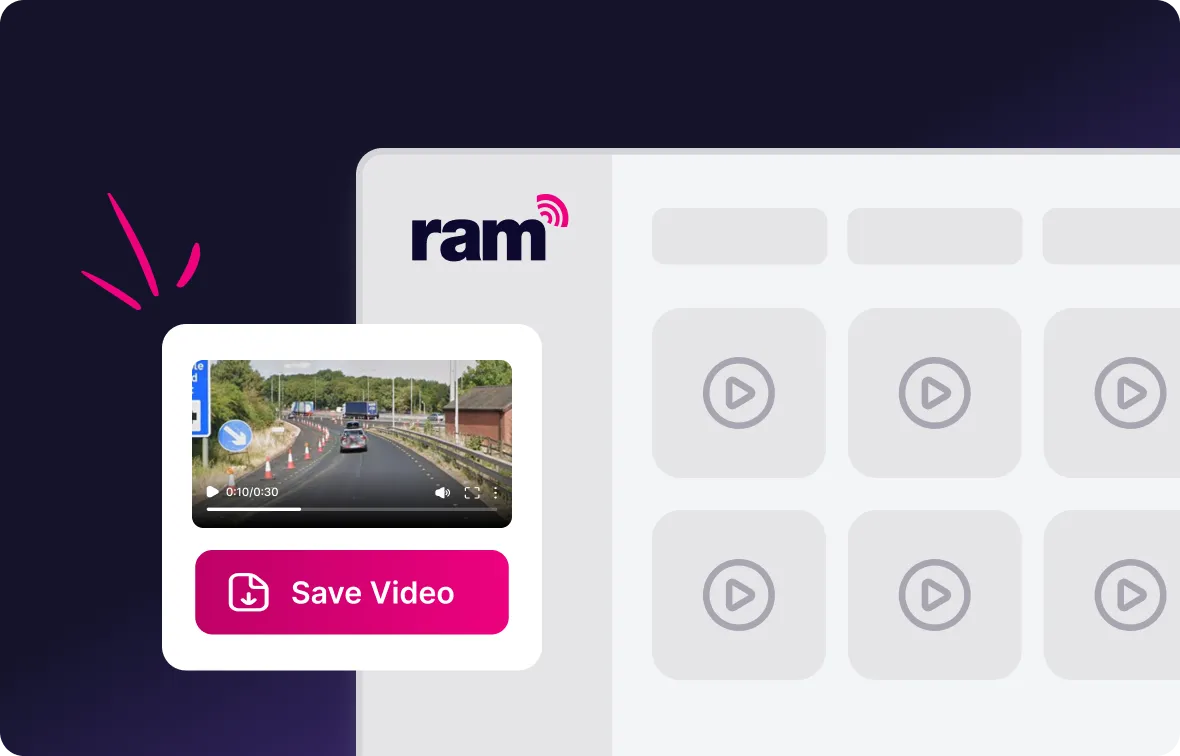
Access footage remotely
Real results with connected dash cams


Why choose RAM connected dash cams?
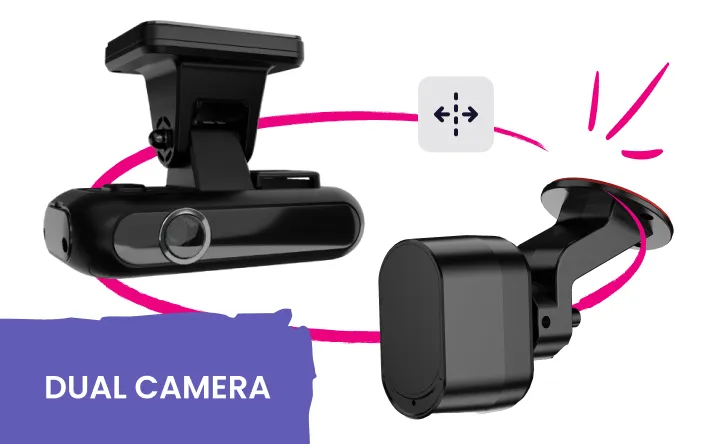
Driver and road facing cameras
Mobile app included
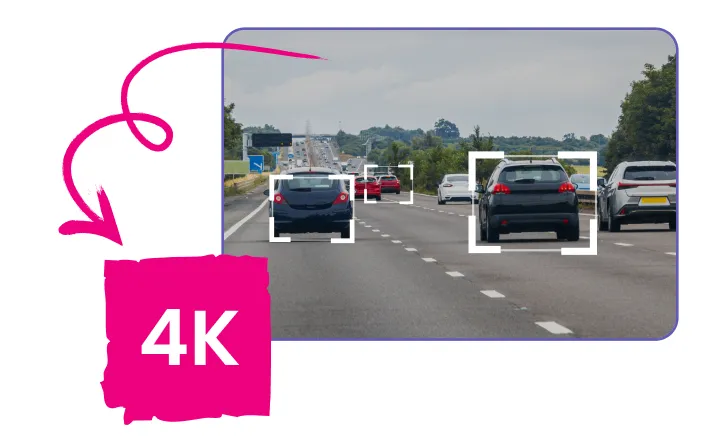
High definition 4K footage
Integrated platform
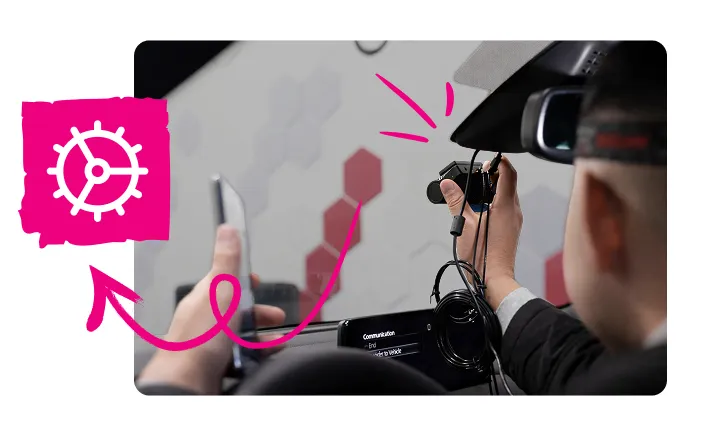
Professional installation
Dedicated support
RAM connected dash cams give you live visibility, remote access, instant alerts and clearer evidence in one complete fleet solution.
Frequently asked questions about connected dash cams
A connected dash cam uploads video directly to online storage using a mobile data connection. This eliminates the need to physically collect SD cards from vehicles. Managers can watch footage on their computers or phones, get notified immediately when driving incidents happen, and even watch what's happening in vehicles right now through live streaming.
The key difference is accessibility. SD card models keep everything stored in the vehicle until someone retrieves the card manually. Connected models send video over the mobile network so you can view it remotely. If you need evidence quickly for an insurance claim or want to know about an incident as it happens, connected systems deliver that. SD card models work better for basic recording needs where immediate access isn't critical.
The choice depends on how quickly you need footage. SD dash cams record to a removable card that you collect manually after incidents. This keeps costs lower but means waiting until you can physically access vehicles. Connected systems upload footage automatically and alert you immediately but cost more monthly. Choose SD for budget-conscious fleets where evidence can wait. Choose connected if you need instant incident awareness.
Yes, you can view several vehicle cameras at the same time. The platform lets you switch quickly between different vehicles or watch multiple video streams together on one screen. Useful for checking on various operations happening simultaneously across your business.
Any video already sent to online storage stays safe and accessible. Even if a camera gets destroyed in a severe crash or someone tries to tamper with it, you'll still have the footage that was uploaded before the damage occurred. This backup protection is one of the main advantages over cameras that only store locally.
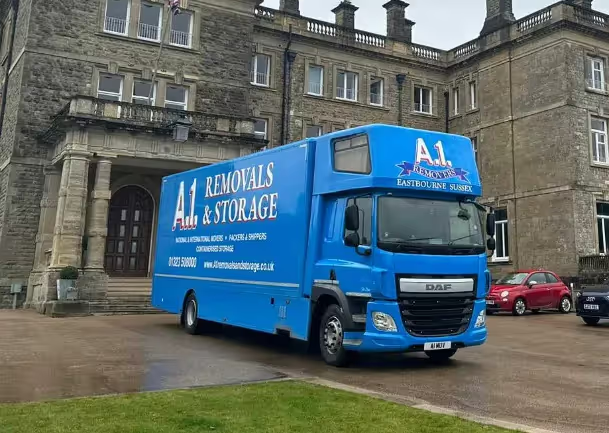
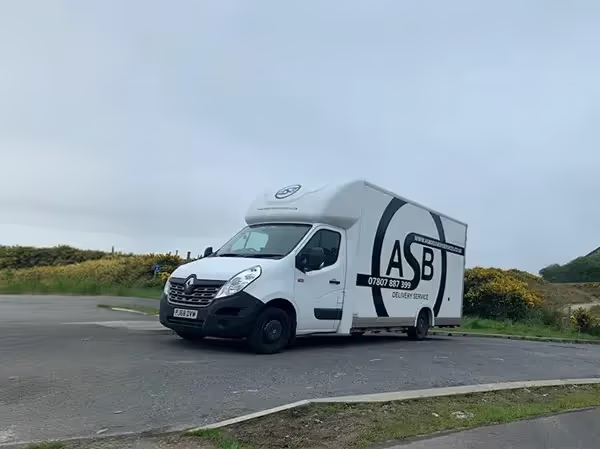
Yes. Connected dash cams work in cars, vans, HGVs and commercial vehicles of all sizes. Van dash cams are particularly popular for delivery and trade businesses, whilst the same system works equally well in trucks, lorries and smaller fleet vehicles. Professional installation ensures cameras fit properly regardless of your vehicle type.
Get connected dash cams today
Stop waiting for SD card retrieval. Get instant remote access to footage with connected dash cams built for commercial operations.